
If your roots blower feels too hot to touch or keeps tripping due to high temperatures, you’re not alone. Overheating is one of the most common complaints among operators of rotary lobe roots blower. But how hot is too hot? And what steps can you take before calling a service technician?
In this guide, we’ll walk you through every possible cause of roots blower overheating, a step‑by‑step troubleshooting plan, and long‑term prevention strategies. By the end, you’ll know exactly how to keep your blower running cool and efficiently.
Understanding Normal vs. Abnormal Roots Blower Temperatures
Before you panic, it’s important to know that all roots blowers generate heat during normal operation. Compression, friction, and bearing resistance naturally raise the casing and discharge temperatures. The key is distinguishing between normal warmth and dangerous overheating.
1)What is the Maximum Allowable Temperature for a Roots Blower?
Most industrial roots blowers are designed to operate with a discharge temperature between 180°F and 220°F (82°C – 105°C) under full load. The gearbox and bearing housings are typically cooler, ranging from 100°F to 150°F (40°C – 65°C). If any of these readings exceed 240°F (115°C), the unit is overheating.
Quick reference table (typical values):
Component Normal Range Danger Zone (>240°F/115°C) Casing 160–210°F (70-100℃ ) Stop immediately Discharge pipe 180–220°F(80-105℃ ) Risk of seal failure Gearbox 100–150°F(40-65℃ ) Oil breakdown
2)Why Excessive Heat is a Silent Killer for Rotary Lobe Blowers
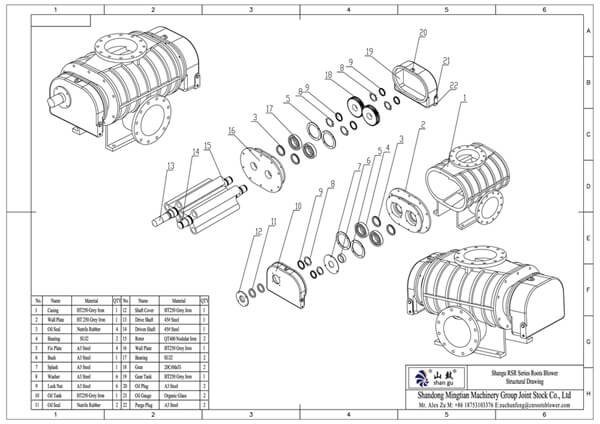
Sustained overheating degrades lubricating oil, expands internal clearances unevenly, and can cause impeller scoring, bearing seizure, or even a complete rotor lock‑up. In short, heat doesn’t just signal a problem – it creates more problems. That’s why early detection and rapid response are critical.
Common Causes of Roots Blower Overheating
Overheating rarely has a single cause. It’s usually a chain reaction. Below are the six most frequent culprits, ranging from external system issues to internal mechanical faults.
Cause 1: High Discharge Pressure and System Overloading
Every roots blower has a rated maximum discharge pressure. When the downstream system creates backpressure – due to closed valves, clogged pipes, or undersized piping – the blower has to work harder. Higher pressure = higher compression heat = overheating.
Cause 2: Clogged Inlet Filters or Restricted Piping
This is the #1 external cause of overheating. A dirty air filter or a crushed intake hose starves the blower of air. The blower tries to pull the same volume, but at a much lower inlet pressure, which dramatically increases the compression ratio and discharge temperature.
Cause 3: Improper Lubrication (Low Oil Level or Wrong Viscosity)
Oil does two jobs: it lubricates gears and bearings, and it carries away heat. If the oil level is too low, there’s not enough fluid to absorb and dissipate heat. If the viscosity is too high (e.g., using heavy gear oil in winter), internal fluid friction adds extra heat. Too low a viscosity causes metal‑to‑metal contact.
Cause 4: Incorrect Impeller Clearances and Internal Friction
Roots blowers rely on extremely tight, non‑contact clearances between the two impellers and between impellers and the casing. Over time, thermal expansion, bearing wear, or improper reassembly can reduce these clearances. The result? Impellers rub against each other or the casing, generating intense local heat and noise.
Cause 5: Faulty Pressure Relief Valve (PRV)
The PRV is designed to open when discharge pressure exceeds a safe limit. If the valve is stuck closed, incorrectly set, or undersized, it won’t relieve the excess pressure. The blower then runs continuously against an overpressure condition, causing rapid overheating.
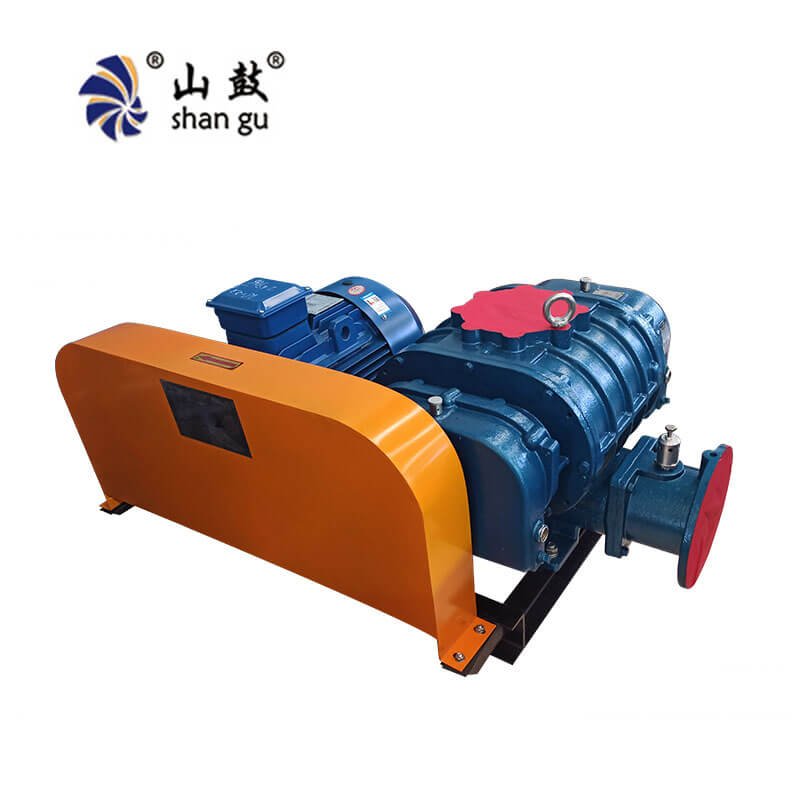
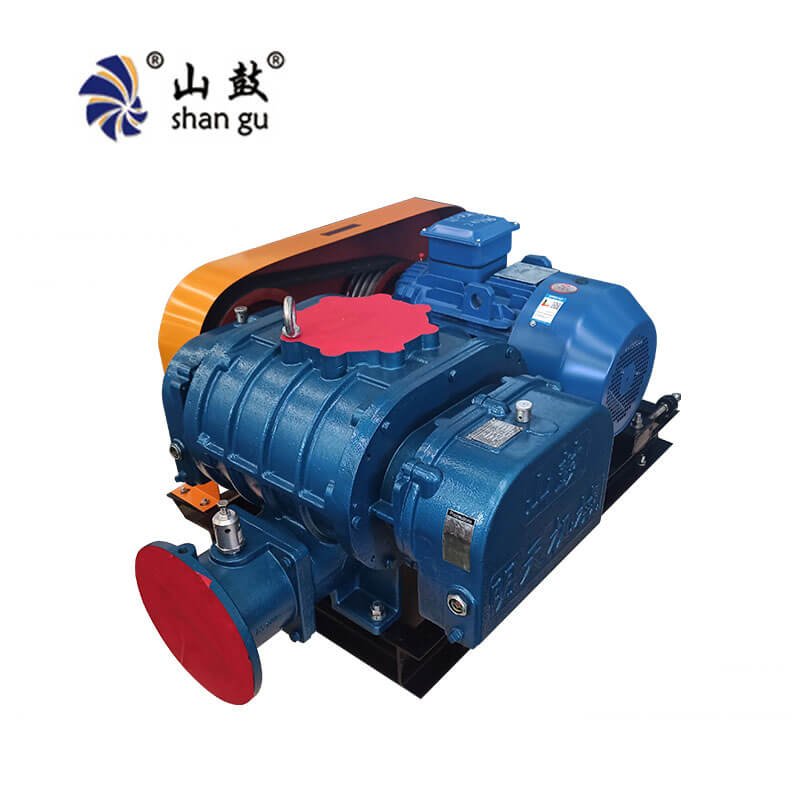
Cause 6: High Ambient Room Temperature and Poor Ventilation
If the blower is installed in a small, unventilated enclosure or next to other hot equipment, the cooling air drawn in by the blower’s own fan or the surrounding atmosphere is already hot. This reduces the temperature differential needed for effective heat exchange, leading to a gradual rise in operating temperature.
Step‑by‑Step Troubleshooting Guide for Hot Roots Blower Overheating
When you notice excessive heat, follow this systematic checklist. Safety first: always let the blower cool down partially before touching critical components.
Step 1: Safe Shutdown and Initial Temperature Inspection
Immediately note the hot spots using an infrared thermometer or thermal camera. Record discharge pipe temperature, gearbox temperature, and bearing housing temperatures. Then shut down the blower following your plant’s lockout/tagout procedure.
Step 2: Checking Pressure Gauges and Filter Conditions
Once shut down, inspect:
- Inlet vacuum gauge: Should be less than 10‑15 inches of water column (depends on model). Higher vacuum indicates a clogged filter or intake restriction.
- Discharge pressure gauge: Compare against the blower’s nameplate rating. If pressure is above rated value, look for system blockages downstream.
- Air filter element: Remove and hold it up to light. If light barely passes through, it needs cleaning or replacement.
Step 3: Verifying Lubricant Quality and Oil Levels
Check the sight glass or dipstick while the blower is stopped and cool. The oil should be at the full mark and have a clear, amber color. Milky or dark brown oil signals water contamination or thermal degradation. If the oil smells burnt, change it immediately.
Step 4: Inspecting V‑Belts Alignment and Tension
Loose or worn V‑belts slip on the sheaves, generating frictional heat that transfers to the blower shaft and bearings. Also, misaligned belts cause uneven loading. Check belt deflection – it should be about 1/64″ per inch of span (or as per your manual). Replace belts in sets and re‑align.
Step 5: Measuring Mechanical Clearances (When Cooled Down)
After the blower has fully cooled, romove the inlet silencer and use a feeler gauge to measure:
- Lobe‑to‑lobe clearance (at the point of closest approach)
- Lobe‑to‑casing radial clearance
- Lobe‑to‑headplate end clearance
Compare with your manual’s specifications. If any clearance is below the minimum, disassembly and corrective machining are required – this is usually a workshop repair.
Effective Solutions to Fix and Prevent roots Blower Overheating
Now that you’ve identified the cause, here are the permanent fixes and preventive measures.
1)Optimizing System Pressure and Flow Rate
- Install a properly sized pressure relief valve (or bypass line) that opens at 10‑15% above normal operating pressure.
- Add a discharge silencer with a built‑in pressure gauge to continuously monitor backpressure.
- Upgrade undersized discharge piping – aim for a line velocity below 3,000 ft/min to minimize friction losses.
2)Establishing a Routine Lubrication Schedule
| Operating Condition | Oil Change Interval | Oil Type (Example) |
|---|---|---|
| Normal (8h/day, clean air) | Every 1-3 months | ISO VG 220 synthetic |
| Heavy duty / high ambient temp | Every 1‑2 months | ISO VG 220 synthetic |
| After an overheat event | Immediate change + flush | Any correct viscosity |
Pro tip: Use a synthetic lubricant with high viscosity index – it resists thermal breakdown far better than mineral oils.
3)Enhancing Ventilation and Cooling Systems
- Add an enclosure fan: Force fresh ambient air across the blower casing.
- Install an aftercooler on the discharge line if discharge temperatures consistently exceed 220°F.
- Relocate the blower away from furnaces, boilers, or other heat sources. Leave at least 2‑3 feet of clearance on all sides for airflow.
4)Regular Maintenance Checklist for Roots Blowers
Prevent overheating before it starts by following this monthly checklist:
- [ ] Clean or replace inlet air filter
- [ ] Inspect V‑belts for cracks, fraying, and tension
- [ ] Check oil level and condition (top up or change as needed)
- [ ] Record discharge pressure and temperature (watch for trends)
- [ ] Listen for unusual rubbing or whining sounds
- [ ] Verify pressure relief valve operation by manually lifting the lever (if equipped)
Conclusion: Keep Your roots Blower Running Cool and avoid overheating
Roots blower overheating is rarely a mystery – it’s almost always caused by one of the six factors we’ve covered: high discharge pressure, clogged intake, poor lubrication, incorrect clearances, a faulty PRV, or bad ventilation. By following the step‑by‑step troubleshooting guide, you can quickly pinpoint the root cause and take corrective action.
But the best fix is always prevention. A consistent maintenance schedule – especially regular filter changes, oil checks, and clearance measurements – will keep your rotary lobe blower operating safely within its temperature limits for years to come.
Remember: When in doubt, shut it down and consult your blower manual or a certified technician. Heat damage is progressive and irreversible.
FAQs About Roots Blower Overheating
Q1: How hot should a Roots blower get during normal operation?
A: Casing temperatures up to 210°F (99°C) and discharge pipe temperatures up to 220°F (104°C) are generally acceptable. Above 240°F (115°C), immediate investigation is required.
Q2: Can a clogged air filter cause a blower to overheat?
A: Absolutely. A clogged filter increases the compression ratio, which directly raises the discharge temperature. This is the most common external cause of overheating.
Q3: What kind of oil helps prevent overheating in rotary lobe blowers?
A: Use a high‑quality synthetic VG 220 oil (depending on ambient temperature and load). Synthetics have better thermal stability and higher viscosity index than mineral oils.
Q4: When should I stop the blower immediately due to temperature?
A: Stop immediately if: any part exceeds 250°F (121°C); you hear loud metallic rubbing; oil smokes or smells burnt; or the blower has seized. Do not attempt to restart until the cause is found and fixed.