
In the demanding worlds of chemical processing, biogas recovery, and oil & gas refinement, the safe transportation of volatile and flammable gases is not just an operational requirement—it is a critical necessity. Standard industrial blowers, when placed in hazardous environments, can inadvertently become ignition sources, leading to catastrophic consequences. This is where the Explosion-Proof Roots Blower becomes an indispensable asset.
Engineered specifically for hazardous zone aeration and gas handling, these positive displacement blowers ensure that operations remain both efficient and inherently safe. This guide explores the technology, certifications, and best practices surrounding the safe handling of industrial gases with these specialized blowers.
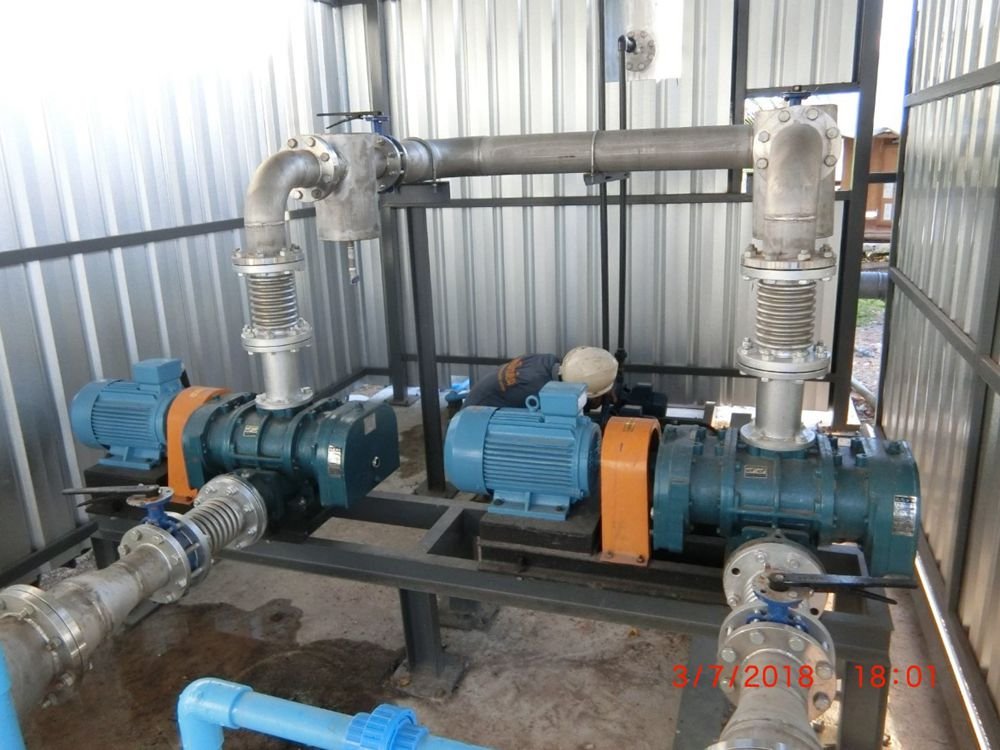
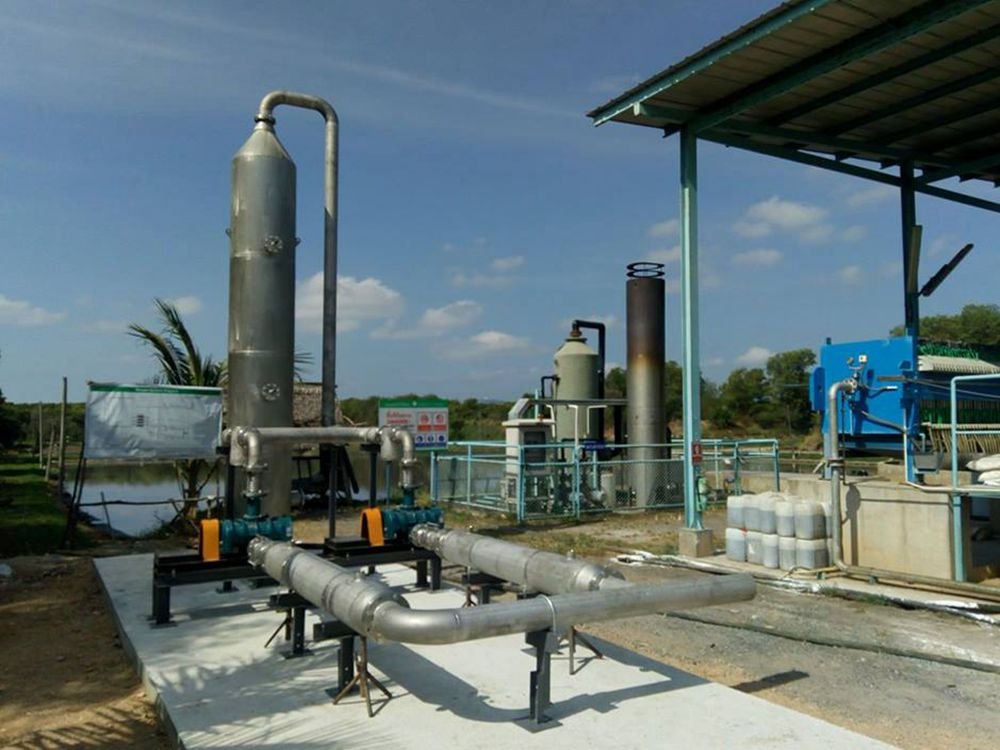
Why Standard Blowers are a Risk in Hazardous Environments
Utilizing standard industrial equipment in areas where flammable gases are present poses a significant safety hazard. Understanding the science of ignition is the first step in risk mitigation.
The Mechanics of Ignition in Gas Transport
During operation, blowers generate heat and friction. In a standard blower, several factors can trigger an explosion:
- Mechanical Friction: If internal rotors slightly misalign or come into contact with the casing due to thermal expansion, the resulting friction can create sparks.
- Static Electricity: The rapid movement of gas molecules and particulate matter can generate static charges. If not properly grounded, a static discharge can ignite the surrounding atmosphere.
- Motor Heat: Standard electric motors may have surface temperatures that exceed the auto-ignition temperature of surrounding gases.
Common Volatile Gases Requiring Specialized Handling
The level of risk varies depending on the gas being transported. Common gases that mandate the use of ATEX certified blowers include:
- Methane (Biogas): Highly flammable and commonly found in waste treatment and agricultural settings.
- Hydrogen: Possesses a wide flammability range and requires extremely tight sealing due to its small molecular size.
- Natural Gas: Used extensively in transmission and distribution networks.
- Chemical Vapors: Often involve volatile organic compounds (VOCs) that are both toxic and explosive.
Key Features of an Explosion-Proof Roots Blower
To mitigate the risks mentioned above, explosion-proof blowers are built with specific design philosophies and physical barriers.
1. Specialized Sealing Technologies
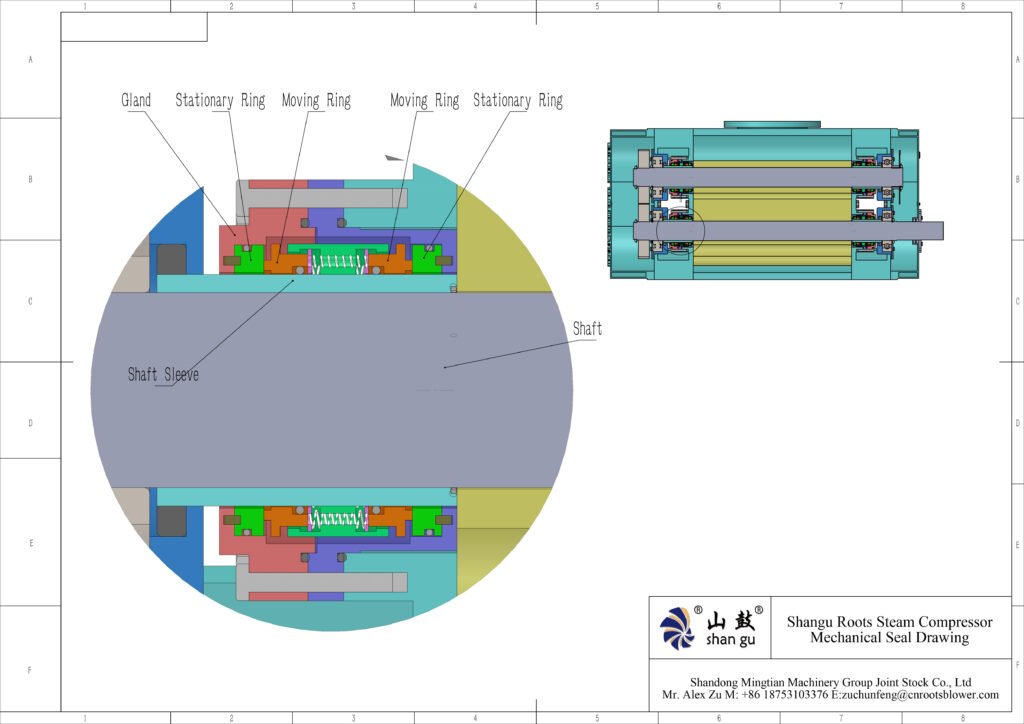
In chemical vapor transport, preventing leaks is paramount. Explosion-proof Roots blowers utilize advanced sealing mechanisms to contain gases within the chamber:
- Mechanical Seals: These provide a high-integrity seal on the shaft, preventing gas from escaping the gearbox or leaking into the atmosphere.
- Labyrinth Seals: Used in conjunction with other seals, these non-contacting seals create a complex path that prevents gas migration, effectively blocking any potential leak path.
2. ATEX and IECEx Certifications Explained
Safety cannot be assumed; it must be certified. The ATEX (Atmosphères Explosibles) directive and IECEx system are international benchmarks.
- Zone Classification: Equipment is selected based on the zone (e.g., Zone 1 where gas is likely to occur, or Zone 2 where it is unlikely). An explosion-proof blower is designed to contain any internal explosion and prevent it from spreading to the external atmosphere.
- Temperature Class: Certifications ensure the blower’s maximum surface temperature stays below the ignition point of the specific gases present.
3. Non-Sparking Materials and Surface Coatings
Material selection plays a crucial role in safety.
- Rotor Coatings: Rotors are often coated with materials like PTFE (Teflon) to prevent sparking if accidental contact occurs.
- Casing Materials: While cast iron is common, specific applications may require stainless steel components to prevent corrosion and reduce the risk of sparks from impact.
Top Applications for Explosion-Proof Roots Blower
These robust machines are the backbone of safety in several critical industries.
1. Biogas and Bio-methane Recovery
In renewable energy, capturing methane from anaerobic digesters requires absolute gas-tight integrity. Biogas recovery blowers extract the gas from digesters and boost pressure for cleaning and injection into the grid, ensuring no explosive methane escapes into the plant environment.
2. Chemical and Petrochemical Processing
Chemical plants often deal with byproducts that are both corrosive and flammable. Explosion-proof blowers safely convey these chemical vapors through reactors and condensers, maintaining process purity and plant safety.
3. Landfill Gas Extraction
Environmental engineering projects utilize these blowers to extract methane from landfills. The gas often contaminate with siloxanes and moisture, making the blower’s robust construction essential for reliable hazardous zone aeration and extraction.
Installation and Maintenance Safety Protocols
Even the best equipment requires proper installation and diligent care to maintain its safety integrity.
1. Integrating Flame Arrestors and Pressure Relief Valves
Safety is a system, not just a single component. Positive displacement blower safety is enhanced by installing:
- Flame Arrestors: These devices are fitted on the inlet and outlet pipes. If a flame front travels back toward the blower, the arrestor quenches the flame, preventing it from entering the blower casing or the source gas.
- Pressure Relief Valves: These protect the blower from over-pressurization, which could rupture seals or casings, leading to a leak.
2. Monitoring Vibration and Temperature in Real-Time
Modern Industry 4.0 practices allow for 24/7 monitoring.
- Smart Sensors: Installing vibration and temperature sensors allows operators to detect bearing wear or misalignment before it causes a spark.
- Predictive Maintenance: By tracking these data points, maintenance teams can schedule repairs during planned downtime rather than reacting to emergency failures.
3. Regular Inspections: Ensuring Seal Integrity
Flameproof blower maintenance schedules should prioritize seal inspections. Checking for oil leaks, listening for unusual noise, and verifying that all bolts are torqued to specification ensures the flameproof enclosure remains effective.
Choosing the Right Blower for Your Facility
Selecting the correct blower involves more than just picking a model off a shelf; it requires a thorough analysis of the process and the risks.
1. Calculating Flow Rate and Differential Pressure for Safe Ops
Sizing is critical. An undersized blower will struggle and overheat; an oversized one may surge.
- Flow Rate (CFM/m³/hr): Must match the volume of gas generated or required by the process.
- Differential Pressure: The system designer must calculate the exact pressure required to move the gas through pipes, filters, and heat exchangers without over-pressurizing the system.
2. Evaluating Supplier Expertise and Testing Standards
Not all suppliers are equal. When evaluating a vendor for a Roots blower for hydrogen or methane service:
- Ask for Certification Documents: Verify the ATEX or IECEx certificate is valid for your specific zone.
- Inspect Manufacturing Quality: Ensure the supplier has rigorous testing standards for seal integrity and casing strength.
- Review Case Studies: A reputable supplier should have proven experience in your specific industry, whether it’s biogas or petrochemicals.
Conclusion: Prioritizing Safety in Industrial Aeration
Handling industrial gases is a responsibility that requires unwavering commitment to safety. The Explosion-proof Roots Blower is a prime example of engineering designed to meet this challenge head-on. By incorporating non-sparking materials, robust sealing technologies, and adhering to strict ATEX standards, these machines protect not only your facility’s compliance status but, more importantly, the lives of your employees and the integrity of your physical assets.
Investing in the correct industrial gas handling equipment is not merely a regulatory checkbox; it is the foundation of a sustainable and responsible operation.