
Biogas is a critical component of the renewable energy mix, but its unique characteristics—namely high methane content, moisture, and corrosive hydrogen sulfide—make its handling a significant engineering challenge. At the heart of most anaerobic digestion systems lies the Roots blower. However, selecting and operating these positive displacement blowers in biogas applications requires a strict focus on safety and durability. This guide explores the essential safety standards and performance factors necessary for reliable Roots blower operation in biogas environments.
The Role of Roots Blowers in Biogas Value Chains
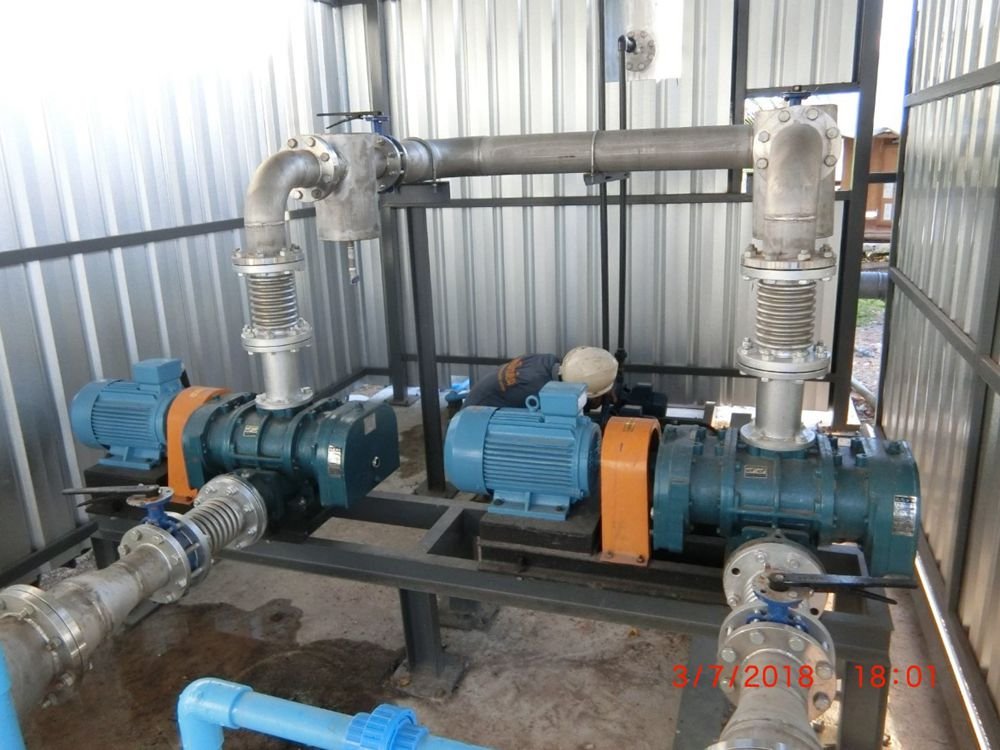
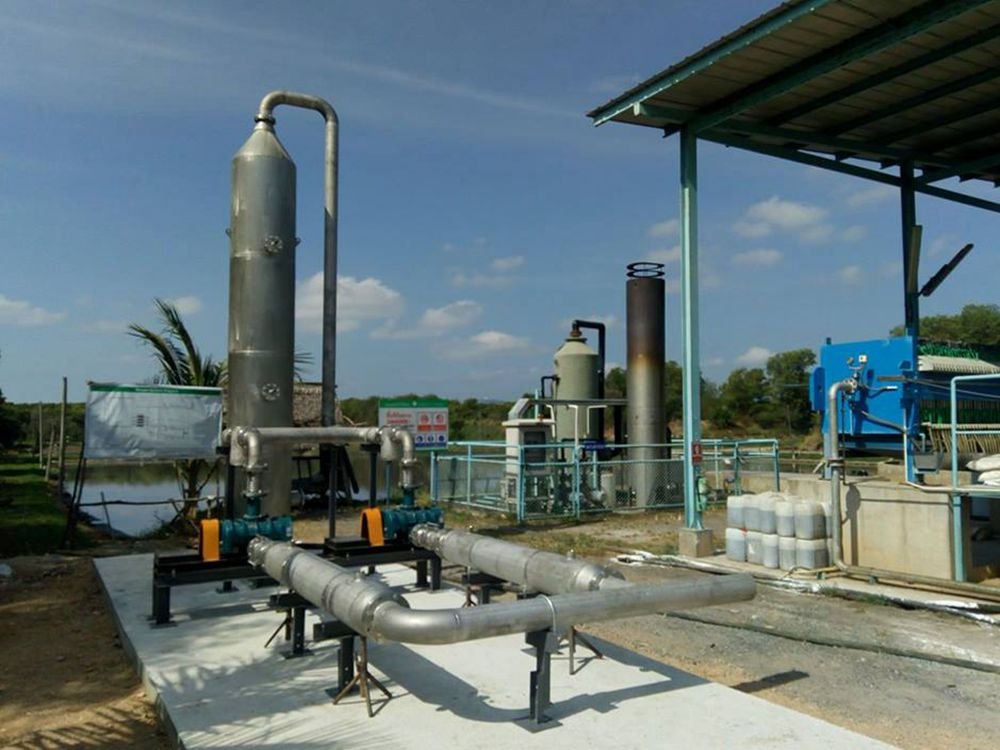
Roots blowers, also known as rotary lobe blowers, are the workhorses of low-pressure gas handling. In a biogas facility, they serve several critical functions that dictate the efficiency of the entire process.
1. Transporting Raw Biogas from Anaerobic Digesters
Biogas is generated at near-atmospheric pressure inside the digester. To move this gas to storage or processing units, a Roots blower provides the necessary suction and positive pressure to overcome pressure drops in piping systems.
2. Pressure Boosting for Biogas Generators and Flares
While upgrading systems (like membrane separation) often require high pressure, raw gas combustion in Combined Heat and Power (CHP) units or flares requires a stable, boosted inlet pressure. Biogas booster blowers ensure that engines receive a consistent flow regardless of fluctuations in the digester.
3. Why Positive Displacement (Roots Blower) is Preferred over Centrifugal for Biogas
Unlike centrifugal fans, Roots blowers provide a constant volume of flow against variable system pressure. This “positive displacement” characteristic is vital for biogas, where system pressures can fluctuate due to filter loading or burner cycling. They are also more tolerant of liquid slugs and condensate than high-speed turbo machinery.
Critical Safety Factors for Biogas Handling
Biogas is primarily composed of Methane (CH4), a highly explosive gas, and Hydrogen Sulfide (H2S), a toxic and corrosive agent. Safety must be the primary design criterion.
1. Explosion-Proof Standards: Understanding ATEX and IECEx Requirements
Standard electric motors are ignition sources. In a biogas environment, where leaks can create explosive atmospheres, blowers must comply with strict regulations.
- ATEX (EU Directive): If your project is in Europe or follows EU standards, the blower motor and any electrical components must be ATEX certified.
- IECEx (International): For projects in Asia, the Middle East, or the Americas, IECEx certification ensures the equipment is safe for explosive gas atmospheres (Zone 1 or Zone 2 classifications).
2. Preventing Gas Leakage: Advanced Sealing Technologies
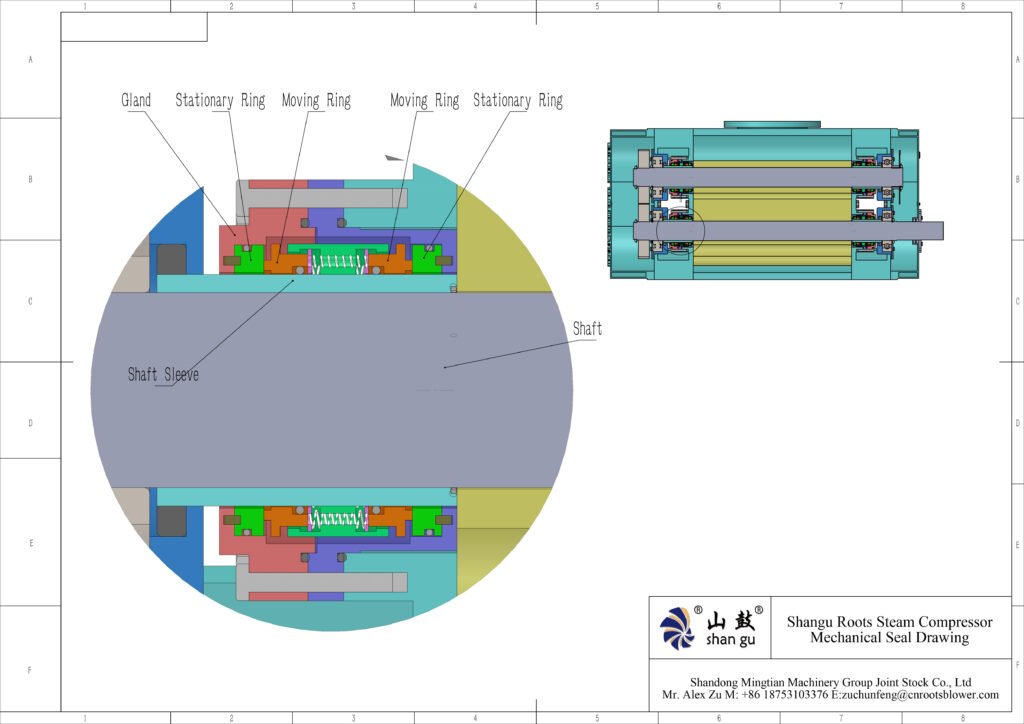
The shaft that connects the motor to the lobes passes through the blower casing—this is a primary leak point.
- Double Mechanical Seals: For biogas, Double Mechanical Seals are the gold standard. They create a sealed chamber between the process gas and the atmosphere, often flushed with a barrier fluid (like oil or water) to ensure zero fugitive emissions. This prevents explosive gas from escaping and stops atmospheric air from entering the system (which could create an explosive oxidizer mixture).
3. Integrating Flame Arrestors and Non-Return Valves
A Roots blower can become a source of ignition if a foreign particle enters the compression chamber. While the blower itself doesn’t create sparks, the system design must include:
- Flame Arrestors: Installed on the suction and discharge lines to stop a flame front from propagating back into the digester or forward into the engine room.
- Non-Return Valves (Check Valves): Essential to prevent reverse rotation and backflow of gas if the blower stops unexpectedly, which could pressurize upstream low-pressure components.
Performance Factors: Durability in Harsh Environments
Beyond safety, the profitability of a biogas plant relies on uptime. Roots blowers must withstand chemically aggressive environments.
1. Corrosion Resistance: Dealing with Hydrogen Sulfide (H2S) and Moisture
Raw biogas is saturated with water vapor and contains H2S, which forms sulfuric acid when combined with condensate.
- Material Selection: The rotor casing and rotors themselves must be protected. High-quality Corrosion resistant biogas vacuum pumps often feature:
- Nickel Plating: Provides a hard, non-porous barrier against acid attack.
- Epoxy Coatings: High-build epoxy paints that isolate the cast iron from the corrosive gas.
- Stainless Steel Shafts: To prevent pitting and seizure at the sealing points.
2. Precision Clearance Management for Stable Pressure Output
Efficiency in a Roots blower depends on the internal clearances between the lobes and the casing. In biogas service, thermal expansion must be accounted for. Modern designs use precision machining to maintain tight clearances even when handling hot, saturated gas, ensuring minimal slip-back (loss of efficiency) and stable pressure output.
3. Energy Efficiency and Variable Speed Control (VFD)
Biogas production is not constant; it varies with feedstock and time of day.
- Variable Frequency Drive (VFD): Installing a VFD allows the blower speed to match the gas production rate. This not only saves significant energy but also reduces mechanical wear from constant stop-start cycling and prevents the flaring of excess gas due to under-pumping.
Technical Specifications Comparison of Biogas Roots Blower
Choosing the right configuration is critical. Below is a comparison of sealing technologies commonly found in biogas blowers.
| Feature | Standard Packing Gland | Single Mechanical Seal | Double Mechanical Seal (Recommended) |
|---|---|---|---|
| Leakage Potential | High (designed to leak slightly for lubrication) | Low | Zero (Zero Fugitive Emissions) |
| Maintenance | Frequent adjustment and replacement | Moderate | Low (Barrier fluid system monitors health) |
| Gas Compatibility | Dry or slightly dirty gas | Clean, dry gas | Wet, dirty, and corrosive biogas |
| Safety for ATEX | Not suitable for explosive gases | Acceptable with monitoring | Required for high-risk $H_2S$ zones |
Maintenance Best Practices for Longevity
Even the most robust equipment requires vigilance. To maximize the lifespan of your Biogas booster blower, implement these practices.
1. Monitoring Oil Levels and Vibration Patterns
The gearbox and bearings are lubricated with oil. Regular oil level checks are mandatory. Furthermore, vibration analysis can detect:
- Bearing Wear: Early signs of failure.
- Rotor Imbalance: Often caused by fouling or liquid slugs damaging the rotors.
- Misalignment: Between the motor and blower.
2. Regular Inspection of Specialized Biogas Coatings
Even with nickel or epoxy coatings, pinholes can develop. During annual maintenance, inspect the rotor surfaces. If rust or pitting is visible, the protective layer has been compromised and must be refurbished immediately to prevent catastrophic rotor seizure.
3. Managing Condensate in the Blower Chamber
As warm, saturated biogas cools in the blower and piping, condensate forms. If allowed to pool in the blower casing, it can cause hydraulic locking (if excessive) or accelerate corrosion. Ensure drain plugs at the lowest points of the blower are checked and that the system includes automatic condensate traps.
Case Study: Optimizing Biogas Flow from POME in Southeast Asia with Shangu Roots Blower
A palm oil mill in Sumatra, Indonesia, struggled with frequent breakdowns of standard blowers due to high H2S levels ( >2000 ppm) from their POME (Palm Oil Mill Effluent) lagoons.
The client switched to our heavy-duty Roots blowers featuring:
- IECEx Certified Explosion-proof Motors.
- Nickel-plated Rotors for maximum acid resistance.
- Double Mechanical Seals with a lubricating oil system.
Result: Uptime increased from 70% to 98%, and maintenance intervals extended from 3 months to over 12 months, proving that investing in corrosion-resistant technology pays for itself in reduced downtime.
Conclusion: Selecting a Reliable roots blower Partner for Your Biogas Project
Roots blowers are not merely accessories; they are critical safety and performance components in any biogas system. By prioritizing ATEX/IECEx certification, double mechanical seals, and robust corrosion-resistant coatings, you ensure the safety of your personnel and the profitability of your operation.
When planning your next biogas project—whether in wastewater treatment, agriculture, or industrial waste—partner with a manufacturer who understands the chemistry of biogas and the physics of positive displacement.