
The Critical Challenge of Contamination in Grain Handling
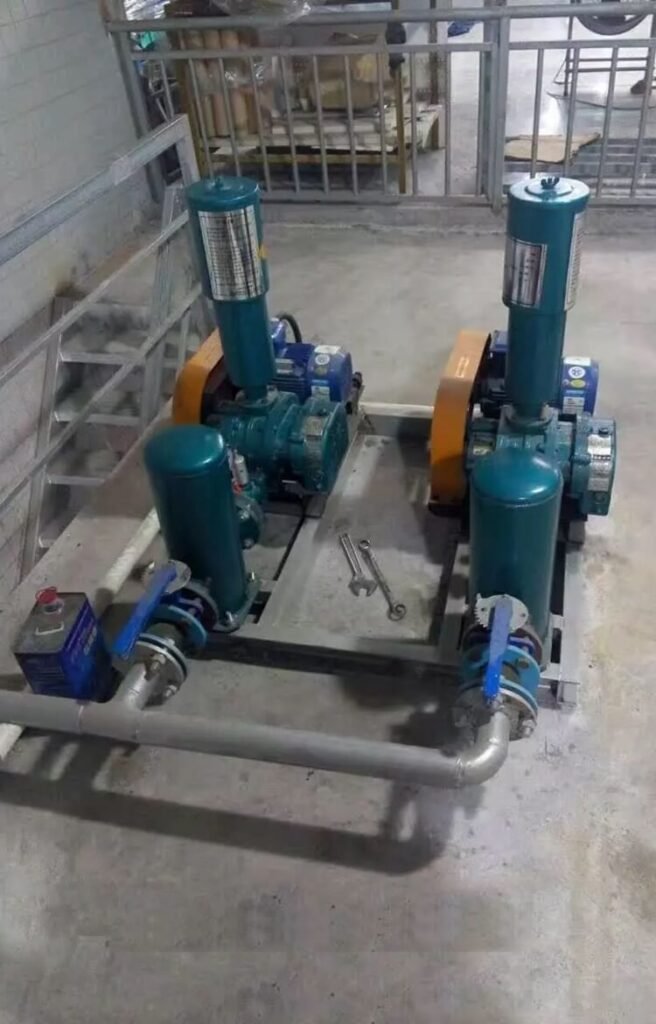
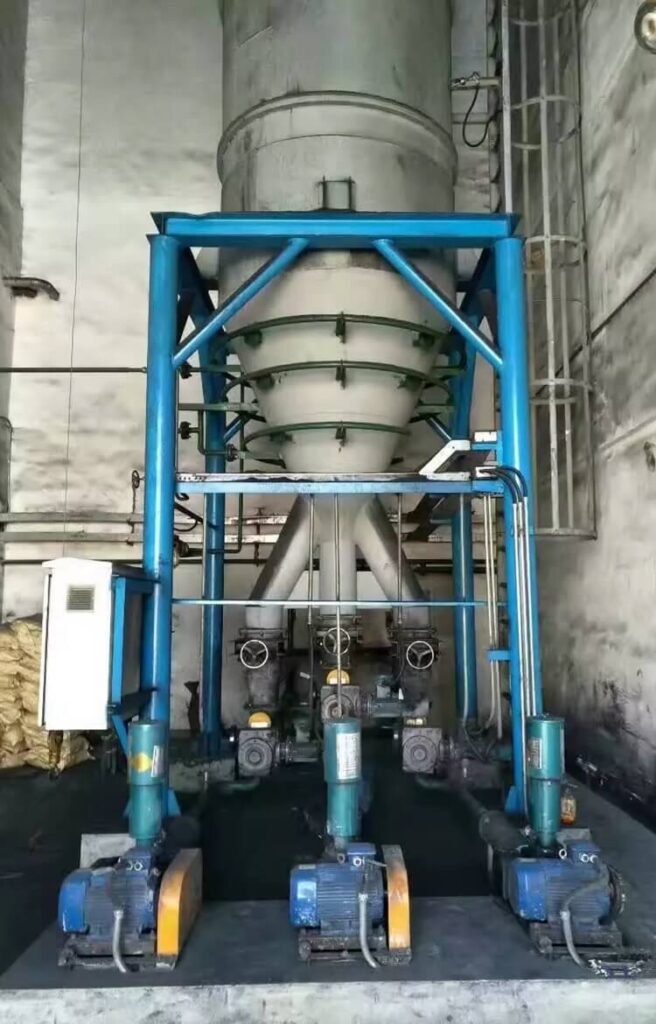
In modern food processing, pneumatic conveying has become the backbone of efficient grain transport. From wheat silos to flour mills, and from corn refineries to rice processing plants, moving grain through enclosed pipelines using airflow is fast, space-saving, and highly automated. Roots Blower Grain Conveying
However, there is a persistent challenge that keeps plant managers and safety officers awake at night: contamination.
Traditional mechanical conveyors—such as bucket elevators or screw conveyors—pose inherent risks of product residue buildup, cross-contamination between batches, and even lubricant leakage. Worse, using low-quality or improperly designed blowers can introduce oil mist, rust particles, or heat-degraded residues directly into your grain stream. The result? Costly batch rejections, failed food safety audits, and potential damage to your brand reputation.
This is why a growing number of grain processing facilities are turning to a proven solution: the Roots blower for grain conveying. When engineered correctly, this technology offers a path to truly contamination-free pneumatic transport.
How Roots Blowers Work in Pneumatic Conveying Systems
To understand why Roots blowers are particularly suited for grain applications, it helps to first look at their operating principle.
1) Positive Displacement Principles for Consistent Airflow
A Roots blower is a positive displacement rotary device. Unlike centrifugal fans, whose airflow drops significantly under backpressure, a Roots blower delivers a relatively constant volume of air regardless of pressure variations in the conveying line. This characteristic is critical for grain conveying: when the pipeline resistance increases—for example, due to a slight bend or a change in grain density—the blower maintains steady airflow, preventing the line from clogging.
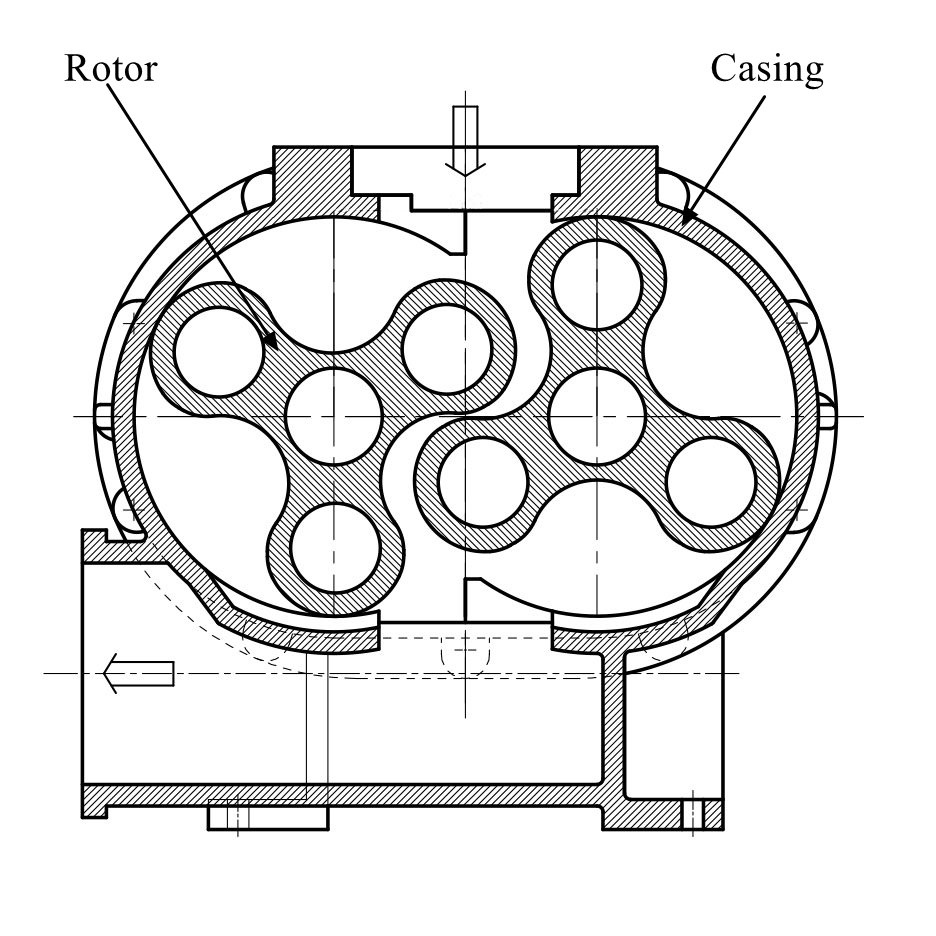
Inside the blower, two or three lobe-shaped rotors rotate in opposite directions, trapping air between the rotors and the housing, then forcing it through the discharge port. There is no internal compression; the compression happens downstream, which makes the design mechanically simple and highly reliable.
2) Dilute Phase vs. Dense Phase Grain Transport
Roots blowers are versatile enough to support both common conveying regimes:
- Dilute phase conveying: The grain is suspended in the airstream at high velocity and relatively low pressure. This is suitable for lighter materials or shorter distances. Roots blowers provide the high volume of air needed for this mode.
- Dense phase conveying: The grain moves at lower velocity but higher pressure, forming moving plugs or dunes inside the pipe. This gentler method reduces grain damage and is preferred for fragile grains or longer distances. Here, the Roots blower delivers the higher pressure required, often in combination with a blow-through rotary valve.
Understanding your specific grain type, transfer distance, and required throughput is essential for selecting the right blower configuration.
Achieving Zero Contamination: Why the Right Roots Blower Matters
Not all Roots blowers are created equal—especially when it comes to food safety. Here is how a properly designed unit achieves truly contamination-free grain transport.
1) 100% Oil-Free Air Chamber Design
This is the single most important technical feature for any food-grade application.
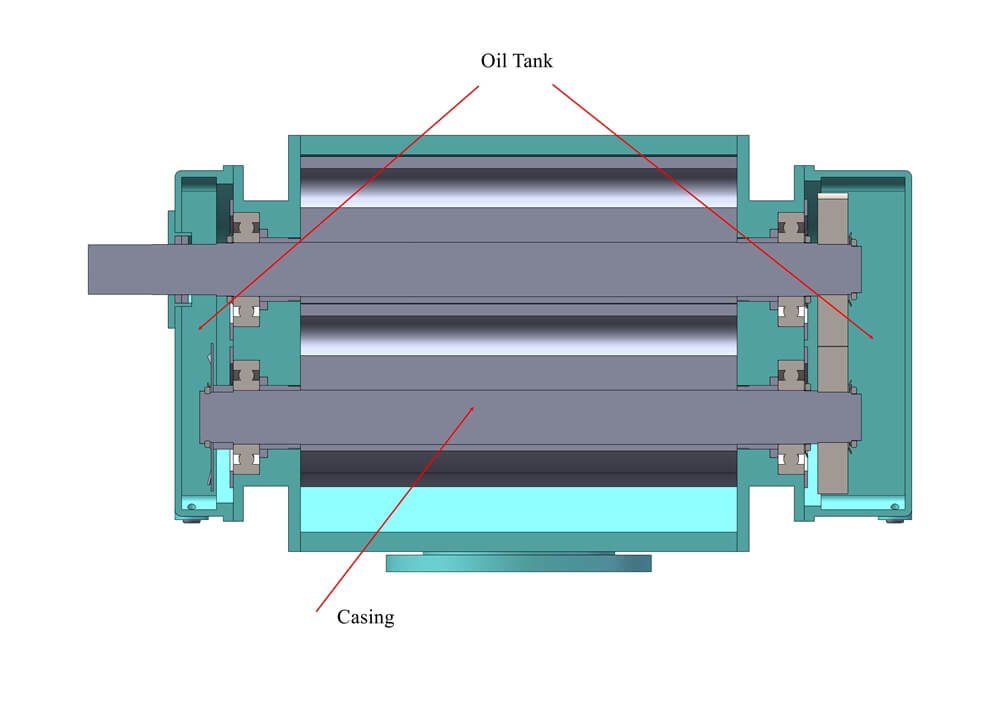
In a high-quality oil-free Roots blower, the air chamber (where the rotors spin and air is compressed) is completely physically isolated from the gearbox and bearing housings, which contain lubricating oil. This separation is achieved through sophisticated sealing systems—often including labyrinth seals, lip seals, and sometimes purge ports that allow clean air to flow into the seal cavity, creating a positive barrier against oil migration.
How does a Roots blower prevent oil contamination? By utilizing a physical separation chamber and specialized seals that ensure no lubricants enter the compression chamber.
The result: even if the gearbox operates for thousands of hours, the air stream that contacts your grain remains 100% oil-free. This is non-negotiable for meeting HACCP, GMP, and FDA standards for food-grade materials.
2) Food-Grade Materials and Internal Coatings
Beyond oil isolation, the materials that contact the airstream matter.
Leading manufacturers offer optional internal coatings for the blower housing and rotors when the unit is destined for grain pneumatic conveying applications. These include:
- Nickel or chrome plating: Provides a smooth, non-porous surface that resists corrosion and is easy to clean.
- PTFE (Teflon) coatings: Further reduce friction and prevent any particle adhesion.
- Stainless steel construction: For the most demanding applications, entire blowers can be built from food-grade stainless steel, eliminating any risk of rust or flaking.
These measures ensure that even microscopic debris from the blower itself never enters your product stream.
3) Preventing Heat Degradation of Grains
Air compression generates heat. In a continuous-duty conveying system, discharge air temperatures can easily reach 150–200°F (65–95°C). While this may not burn the grain, it can cause moisture loss, accelerate oxidation of lipids in whole grains, or even partially gelatinize starches in flour applications.
The solution? An aftercooler installed downstream of the blower. Many integrated pneumatic conveying systems pair the Roots blower with an air-cooled or water-cooled heat exchanger, bringing the discharge air temperature down to within 15–20°F of ambient before it contacts the grain. This step is especially critical when conveying heat-sensitive materials like whole wheat, oat flour, or specialty grains.
Beyond Cleanliness: Additional Benefits for Grain Mills and Silos
While contamination prevention is the headline benefit, grain processing facilities also gain significant operational advantages when they choose the right blower technology.
1) High Efficiency and Reduced Grain Damage (Breakage Rate)
Stable, pulsation-free airflow does more than prevent clogs—it also reduces the mechanical stress on individual grain kernels. When the conveying air velocity is consistent, grains travel in a smoother stream, colliding less frequently with pipe walls and with each other.
The result is a measurably lower breakage rate—a critical metric for rice mills, malt houses, and any facility where whole grain integrity commands a price premium. Lower breakage means higher yields and better final product quality.
2) Low Maintenance and Long Service Life
In a 24/7 operation, unplanned downtime is the enemy of profitability. Roots blowers are renowned for their mechanical robustness. With only two non-contacting rotors and no internal valves, vanes, or sliding parts to wear out, they offer exceptional reliability.
When equipped with proper inlet filtration and maintained according to the manufacturer’s schedule—typically including periodic gear oil changes, bearing checks, and seal inspections—a quality oil-free Roots blower can operate for 40,000 to 60,000 hours or more before major overhaul is required. For a grain mill running three shifts a day, that translates to 5–7 years of trouble-free service.
[Image: A grain silo complex with pneumatic conveying lines and an aftercooler unit next to the Roots blower. Alt Tag: "Complete pneumatic conveying system for grain with Roots blower and aftercooler"]
Key Factors to Consider When Selecting a Roots Blower for Grain Conveying Systems
Choosing the correct blower for your specific application is critical. Here is a practical checklist for engineers and plant managers:
| Selection Factor | What to Evaluate |
|---|---|
| Required pressure & flow | Calculate based on conveying distance, number of bends, grain bulk density, and desired throughput. Consult a blower performance curve. |
| Food safety compliance | Verify the blower meets FDA, EU 1935/2004, or other relevant food contact material standards. Request certificates. |
| Oil-free certification | Ensure the manufacturer explicitly certifies the air chamber as oil-free, not just “oil-less” (which may mean no lubrication at all—unsuitable for continuous duty). |
| Material of construction | For corrosive or high-hygiene environments, specify stainless steel or coated cast iron. |
| Noise control | Grain conveying often requires high blower speeds. Specify inlet and discharge silencers, plus an acoustic enclosure if the unit is near work areas. |
| Aftercooler requirement | If conveying more than 200 feet or operating in warm climates, plan for an aftercooler to manage air temperature. |
| Serviceability | Check access to filters, gearbox fill/drain ports, and seals. Minimizing maintenance time reduces downtime. |
Safeguard Your Grain Quality with the Right Blower Partner
Contamination is not just a compliance box to check—it is a direct threat to your product quality, your brand reputation, and your bottom line. In an industry where a single recall can cost millions, the choice of pneumatic conveying equipment deserves serious attention.
A properly specified Roots blower for grain conveying—with an oil-free air chamber, food-grade materials, and thoughtful integration of aftercooling—delivers the dual promise of high efficiency and absolute product purity.
Whether you are designing a new grain handling line or upgrading an existing system, working with an experienced engineering partner makes all the difference. They can help you calculate exact airflow requirements, select the right sealing configuration, and ensure your installation meets the strictest food safety standards.
Designing your Roots Blower grain pneumatic conveying system?
Contact our application engineers today to discuss a customized, oil-free Roots blower solution for your mill, silo, or processing plant.
End of article
For more technical resources, performance curves, and case studies on grain pneumatic conveying, visit our resource center or request a consultation.