
In the world of industrial bulk material handling, pneumatic conveying systems are indispensable. They transport powders and granules across facilities with speed and efficiency. At the core of these systems lies the Roots blower—the unsung hero that provides the necessary air power. However, the approach to optimization cannot be generic. The vast differences between conveying flour (organic, explosive, and fragile) and cement (inorganic, heavy, and highly abrasive) require distinct engineering strategies. This article explores how to optimize your pneumatic conveying systems using Roots blowers, tailored specifically for these two challenging materials.
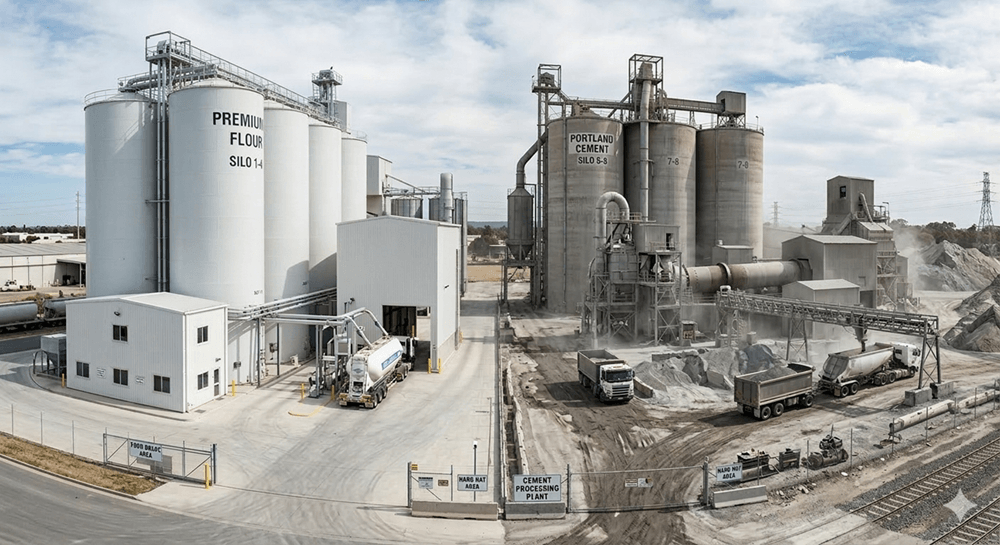
The Role of Roots Blowers in Modern Pneumatic Conveying
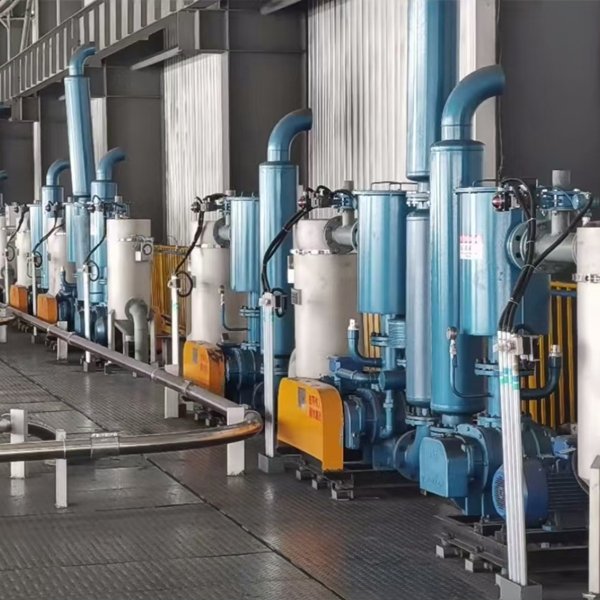
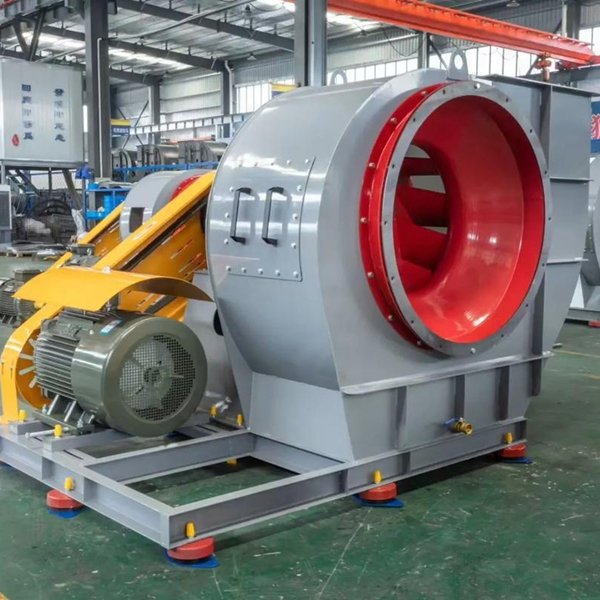
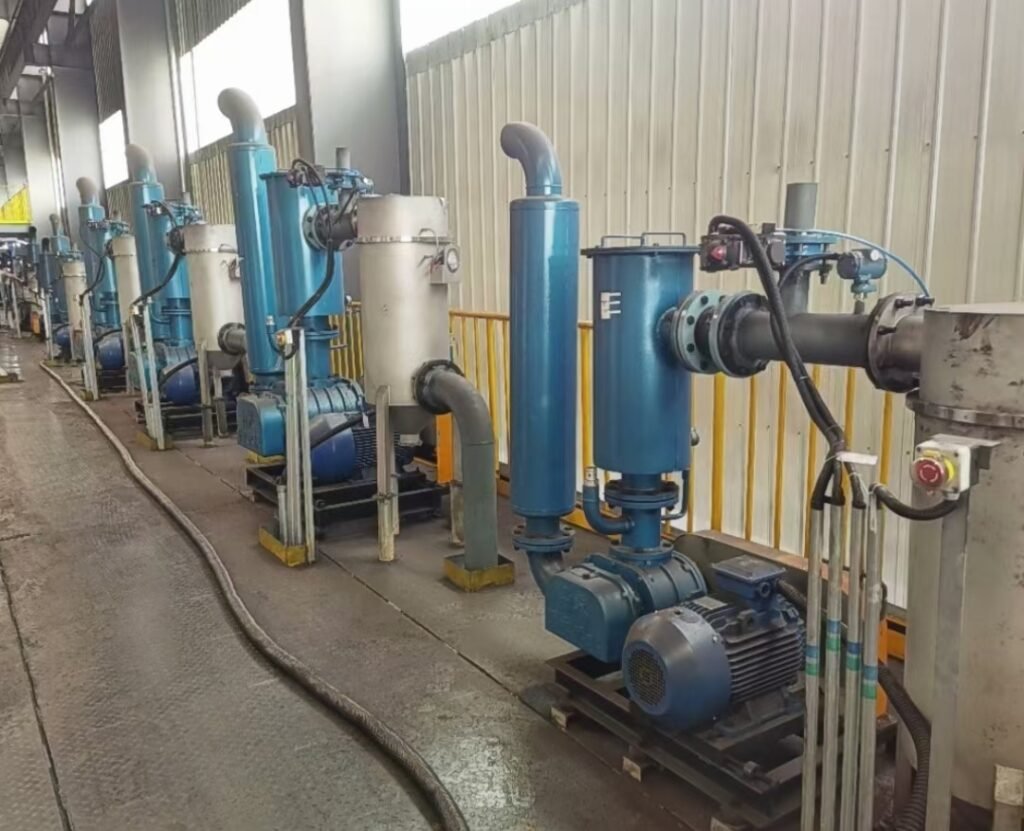
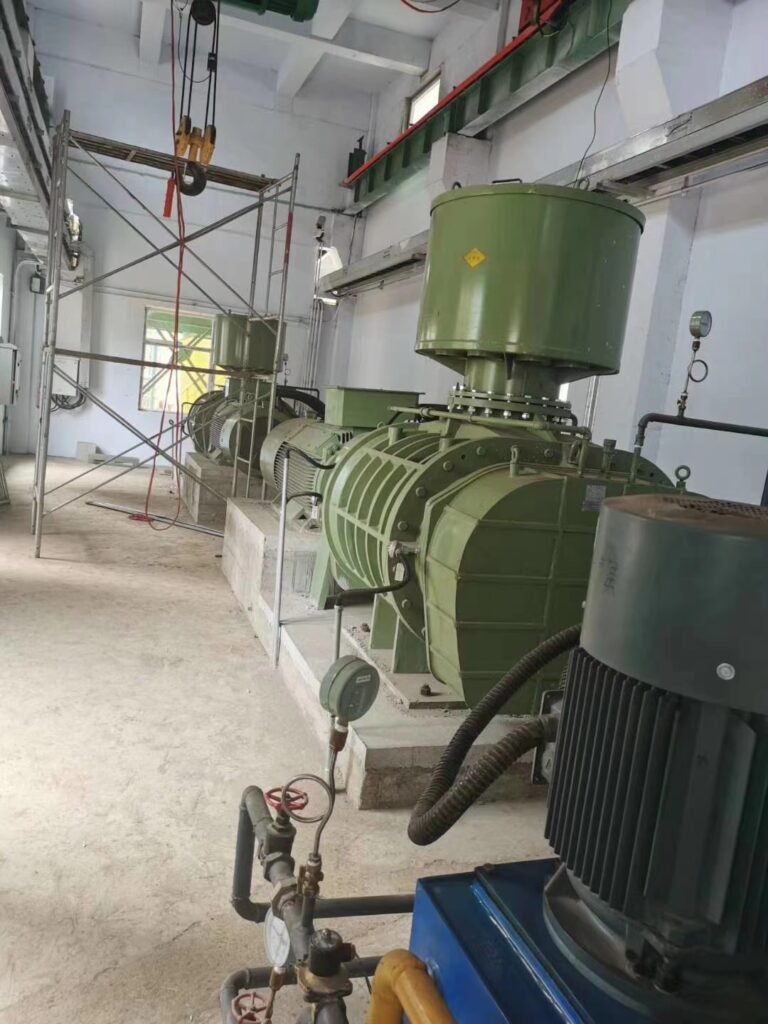
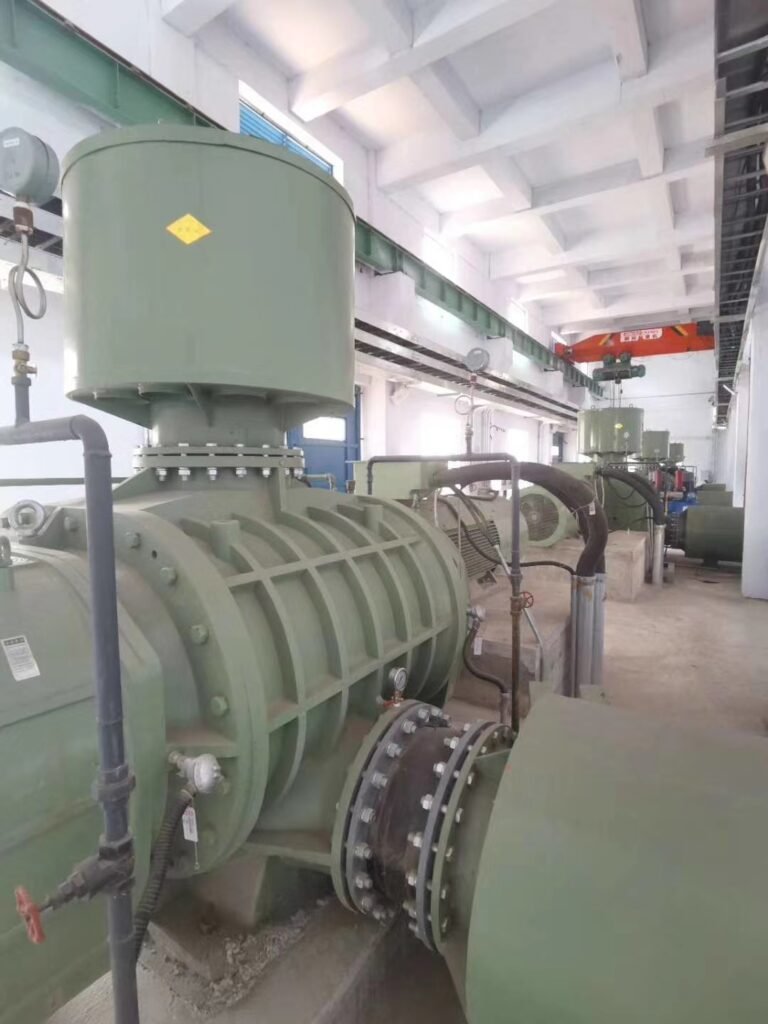
Roots blowers, a type of positive displacement blower, are the preferred choice for many pneumatic conveying applications due to their unique operating characteristics.
Why Roots Blowers? (Positive Displacement vs. Centrifugal)
Unlike centrifugal fans, which see performance drop as back-pressure increases, Roots blowers for flour and cement maintain a consistent air volume regardless of system pressure changes. This “constant volume” feature is critical for keeping heavy materials like cement suspended or pushing dense plugs of material through a pipeline without stalling.
Key Performance Metrics: Pressure, Volume, and Power Consumption
Optimization begins with understanding three core metrics:
- Pressure (psi/bar): Required to overcome resistance in the pipes.
- Volume (CFM/m³/h): Determines the velocity of the air, which dictates whether material moves in dilute or dense phase.
- Power Consumption (kW): The operational cost driver.
Balancing these three factors is the key to an energy-efficient pneumatic conveying system.
Optimizing for Flour: Precision and Hygiene
Flour is a living, breathing organic material that requires a gentle touch and a sterile environment. Failure to optimize here results in spoiled product or catastrophic explosions.
Maintaining Material Integrity (Preventing Degradation)
Flour particles are fragile. High-velocity conveying can cause “friction burn,” degrading the gluten quality and ruining the baking properties.
- The Solution: Optimization involves careful calculation of the air velocity. By using dilute phase vs dense phase conveying analysis, engineers aim for the lowest possible velocity that still keeps the flour airborne, preventing material degradation in flour conveying.
Food-Grade Requirements and ATEX Compliance
Safety and hygiene are paramount.
- Oil-Free Air: Roots blowers used for flour must be specified with non-contacting seals or specialized filtration to guarantee oil-free compression, preventing contamination.
- Explosion Safety: Flour dust is explosive. Systems must adhere to ATEX standards, which includes grounding the blower and piping to prevent static ignition sources.
Managing “Sticky” Characteristics
Flour has a tendency to “stick” or pack onto pipe walls, especially in humid conditions.
- The Solution: Maintaining a consistent pressure profile from the blower prevents buildup. If pressure drops, material settles; if it spikes, it can cause compaction. A steady, regulated flow from the blower keeps the line clear.
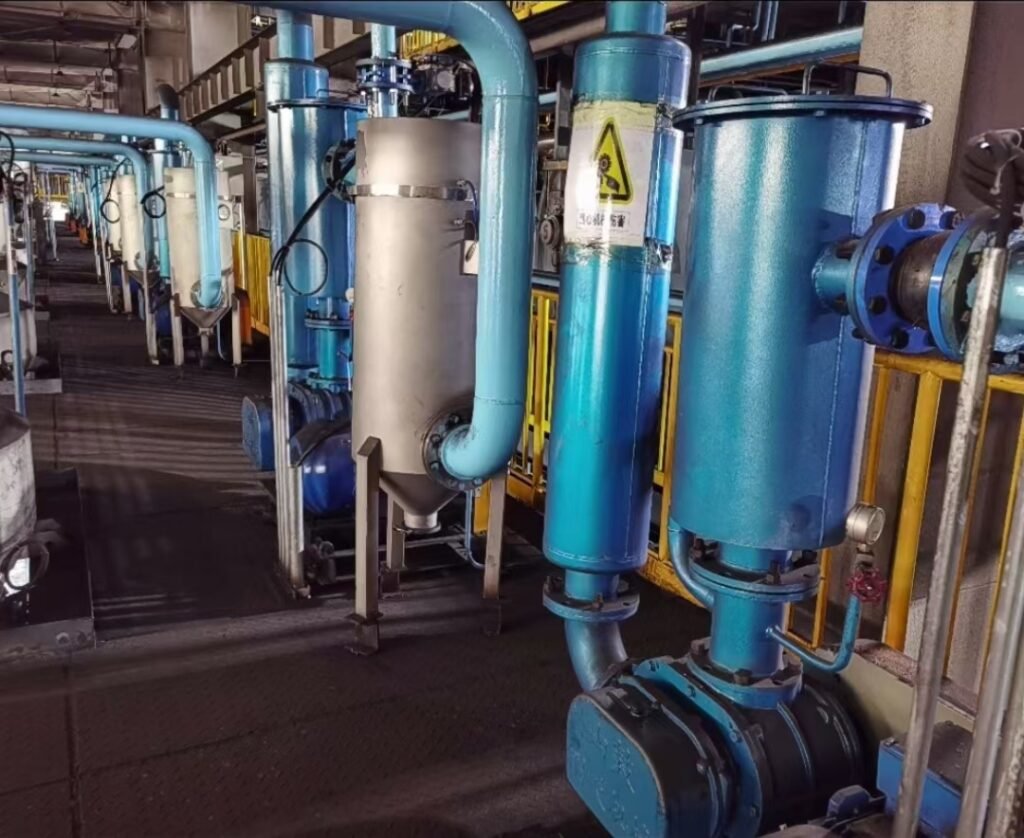
Optimizing for Cement: Durability and Efficiency
Cement is the polar opposite of flour. It is heavy, sharp, and relentless in its wear on equipment.
Dealing with High Abrasiveness
The sharp angular particles of cement act like sandpaper on metal. Abrasion resistance in cement transport is the primary design concern.
- The Solution: Optimization often means sacrificing speed for longevity. By moving to a dense phase vs. dilute phase system, the material moves slower and in plugs, drastically reducing wear on pipes and the blower’s downstream components.
Dense Phase vs. Dilute Phase for Heavy Minerals
The choice of phase dictates the blower’s workload.
- Dilute Phase: Requires high volume to keep heavy cement airborne. This leads to high velocity and extreme wear.
- Dense Phase: Requires high pressure from the Roots blower to push the material, but lower volume.
For cement, modern optimization trends lean toward high-pressure, dense-phase systems to protect equipment.
Filtration and Dust Collection Integration
Cement creates immense dust loads. The dust collector at the end of the line creates back-pressure that the blower must overcome.
- The Solution: Properly sizing the air-to-cloth ratio in the filters ensures the blower isn’t fighting against a clogged filter, which would spike power consumption and reduce efficiency.
4 Practical Tips to Improve System Energy Efficiency
Regardless of the material, energy costs are a top concern. Here are four actionable tips to lower your operational expenses.
Variable Frequency Drives (VFD) Implementation
A fixed-speed blower runs at 100% capacity all the time, often wasting energy by bypassing excess air.
- The Tip: Install a VFD. It allows the motor to ramp up or down based on real-time demand, typically reducing power consumption by 15-25%.
Minimizing Pressure Drops
Every bend, valve, and transition in your piping creates resistance (pressure drop). The blower has to work harder to overcome this.
- The Tip: Use long-radius bends instead of sharp elbows, especially for abrasive cement. This reduces turbulence and wear simultaneously.
Regular Maintenance of Air Filters and Check Valves
A clogged inlet filter starves the blower, causing it to operate inefficiently. A leaking check valve allows material to flow backward.
- The Tip: Implement a strict schedule for filter changes and valve inspections to maintain optimal pressure drop and airflow.
Accurate Pipe Sizing to Reduce Air Leakage
Undersized pipes increase velocity and pressure; oversized pipes cause material to settle.
- The Tip: Consult pneumatic conveying charts to match pipe diameter precisely to your material’s density and desired tonnage.
Case Study/Comparison Table: Flour vs. Cement Requirements
To visualize the optimization differences, refer to the comparison below.
| Feature | Flour Conveying | Cement Conveying |
|---|---|---|
| Material Property | Fragile, Explosive, Organic | Abrasive, Heavy, Inorganic |
| Blower Focus | Oil-free, Low Temperature | High Pressure, Wear Resistance |
| Conveying Phase | Usually Dilute Phase | Dilute or Dense Phase |
| Primary Risk | Degradation / Explosion | Pipe Erosion / Wear |
| Safety Standard | Food Grade / ATEX | Industrial Heavy Duty |
Conclusion: Choosing the Right Blowers for Pneumatic Conveying
There is no “one-size-fits-all” solution in pneumatic conveying. The requirements for keeping flour pristine and safe are diametrically opposed to the brute force needed to move cement efficiently. By understanding the nuances of dilute phase vs dense phase conveying, the importance of abrasion resistance, and the necessity of food-grade standards, you can make informed decisions.
Ready to optimize your system? Contact our engineering team today for a professional consultation or to request a detailed Roots blower selection guide tailored to your specific material.